
The first major league no-hitter from 60 feet, 6 inches, was thrown by right-hander Bill Hawke of the Baltimore Orioles on August 16, 1893, against the Washington Senators in D.C.
The National League game was played at Boundary Park, later the site of what became Griffith Stadium. The Orioles won, 5-0, on typical muggy D.C. afternoon with the temperature in the upper 80s.
The distance between the pitcher and the plate had been 50 feet through the 1892 season. Pitchers threw from inside a marked 5-foot by four-foot box as opposed to the modern four-inch by 12-inch pitching rubber.
With batting averages steadily declining, the National League decided to increase the distance to 60 feet, six inches with pitcher throwing from the new fixed stab. The intent was to increase offense. It worked. Three times as many batters topped .300 in the ’93 season as had done so in 1892. Hitting statistics improved across the board. The league average was 5.1 runs per game in 1892 and 6.57 in ’93. League batting average in ’92 was .245. It jumped to .280 in 1893.
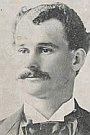
Hawke, who stood 5-foot-8 and was a native of Delaware, had started his career as a catcher before switching to pitching full-time in 1890. He signed with the St. Louis Browns in the summer of 1892 and went 5-5 with a 3.70 earned run average from the 50-foot distance.
St. Louis released him after he was hit hard in his first 1893 start. He soon signed with Baltimore
The Orioles were 12 games under .500 when play began, but the Senators were in last place, which is where they ended the season in the 12-team N.L.
Washington centerfielder “Dummy” Hoy led off against Hawke by drawing a walk. He was thrown out trying to steal by catcher Wilbert Robinson, later the longtime manager of the Brooklyn Dodgers.
Hoy, who was deaf but claimed he actually preferred to be called by his nickname, ended up being one of just two Senators to reach base. The other reached on a walk in the fourth. Six Washington batters struck out.
Hawke was an early holdout against the reserve clause in the early 1890s, refusing to accept the terms offered in his contract and failing to report. Hoverer, his plan was derailed by an unfortunate accident.
He broke the wrist on his pitching hand when he fell off a horse before the 1895 season, according to his SABR biographer Jimmy Keegan, and never pitched in the majors again.
Medical treatment unknown at the time could have properly repaired his broken bone after it didn’t heal as it should. At one point, doctors wanted to re-fracture his arm and hope it would heal better.
Before the injury, Hawke had what contemporary sources described as a good fastball and a variety of breaking pitches.
After pitching in the minors and for semi-pro teams for several seasons, Hawke was diagnosed with cancer and died at age 32 in 1902.

