
Before the “defensive indifference” rule was implemented in 1920, a runner was credited with a stolen base, even if the opposing team made no attempt to stop him. In most cases, these unchallenged steal attempts came late in games with the team at bat hopelessly behind.
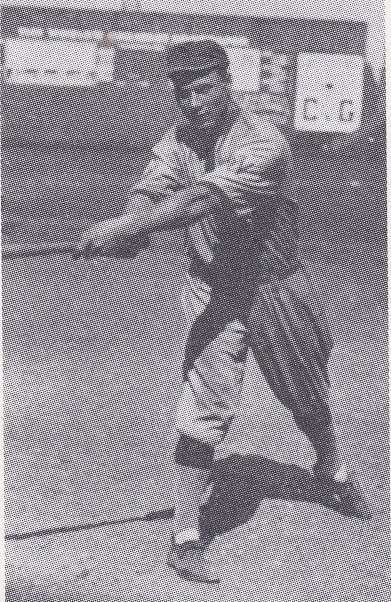
No matter the circumstances, however, it was unusual for a batter to take second, third and then home, unchallenged. Such was the case with Nats’ catcher Eddie Ainsmith on June 26, 1913, against the Athletics.
In the ninth inning of that game, with Philadelphia ahead 10-2, Ainsmith singled and proceeded to “steal” his way around the bases, with the A’s paying him no mind. Washington ended up losing, 10-3.
Just over a month later, catcher Ivey Wingo of the Cardinals did the same thing in a more legitimate fashion. Leading off the bottom of the second, Wingo walked and stole second base with Mike Mowrey batting. As Mowrey walked, Wingo stole third. Then the Cards executed a double steal: Mowrey was safe as second as Wingo stole home. That put St. Louis up, 4-0 on the way to a 9-2 win.
According to baseball author Chris Jensen, Wingo and Ainsmith are the only two catchers among the 55 players on a Baseball Almanac list as having stolen second, third and home in the same inning, although the Retrosheet box score does not credit Ainsmith with his three steals.
Ainsmith, whose name was Anglicized, was born in Russia and came to America with his parents as a four-year-old. Not much of a hitter with Washington, he was noted for his defense and strong arm. After throwing out Ty Cobb in the first inning of his first home game as a rookie in 1910, Ainsmith threw out all six Tiger runners trying to steal the next day.
In 1912 and ’13, the first of two second-place finishes for Washington under new manager Clark Griffith, Ainsmith split the catching duties with John Henry — the same age as Ainsmith and just as weak a hitter.
Ainsmith served as Walter Johnson’s primary catcher from late 1910 through 1918. According to Mark S. Sternman’s SABR biography, Ainsmith caught 210 of Johnson’s 655 career starts, well ahead of Muddy Ruel’s 139. Ainsmith also caught 48 of Johnson’s record 110 shutouts. Gabby Street is no. 2 with just 17.
When the draft began as America entered World War I, Ainsmith filed an appeal of his pending call-up, which resulted in a ruling that playing pro baseball did not count as essential employment. Thus, Ainsmith and many other big leaguers rushed to find work in shipyards and defense manufacturing plants.
After his playing career, Ainsmith led a tour to Asia by a group of female ballplayers. The outcome and his stewardship of that effort didn’t reflect well on him. Sternman’s SABR bio essay at SABR.org provides the details. Despite this, Ainsmith ironically ended up managing a team in the All-American Girls Professional Baseball League in 1947.
 Washington baseball history